
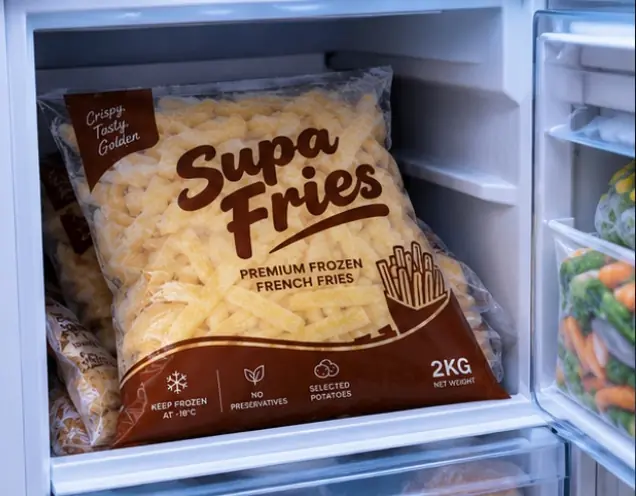
The power went off in Mbezi at nine in the evening and did not come back until lunchtime the next day. When it did, Grace opened her freezer and found the pack of fries she had bought on Saturday. It felt soft at the edges and the chips inside had started to clump. Her first thought was the one most of us have: "Can I just freeze it again?"
The short answer: plain frozen fries that thawed but stayed cold (still icy, or below about 5°C) can usually be refrozen safely, but they will lose quality and cook softer. Fries that sat warm for more than two hours, smell off or look slimy should be thrown away. The best option for slightly thawed fries is usually to cook them that day instead of refreezing. Here is how to decide, what refreezing does to fries, and how to stop it happening again.
Is it safe to refreeze frozen fries?
It depends on how warm they got and for how long. Food safety guidance from the US Department of Agriculture, summarised by University of Nebraska food safety specialists, is that food which still contains ice crystals or has stayed at refrigerator temperature can be refrozen, while food left at room temperature for more than two hours (or one hour in very hot weather) should not be.
Extension specialists at North Carolina State University give the same simple test: if food still has ice crystals or stayed cold the whole time, it can go back in the freezer. Plain potato fries are lower risk than raw meat or fish, but the same rule is a sensible guide:
- Still icy and cold to the touch: safe to refreeze, though quality drops.
- Fully thawed but kept cold (in a fridge or a closed freezer): better to cook within a day than refreeze.
- Thawed and warm, or left out for more than two hours: do not refreeze. Throw them away if they have been warm for a long time.
- Sour smell, slimy surface or grey colour: throw them away.
Cooked fries are different. Once fries have been cooked, cool them quickly and keep them in the fridge for a few days, or freeze them once for up to about a month. Do not refreeze cooked fries that have already been frozen and thawed. Our guide on how to reheat fries covers leftovers.
What happens to fries when they thaw and refreeze?
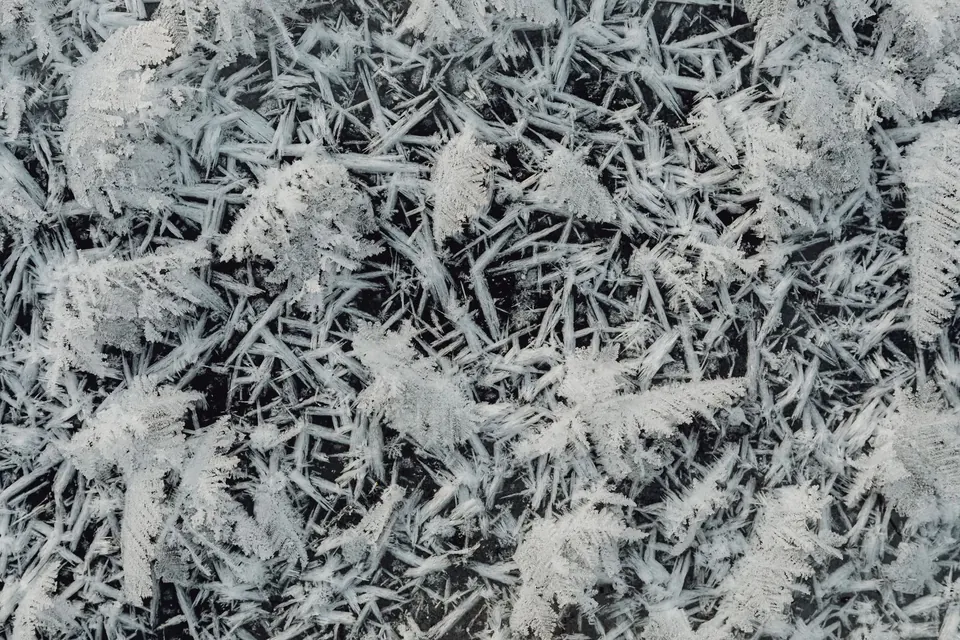
Fries are mostly water held inside potato cells. Freezing turns that water into ice. When fries thaw, some of that water moves to the surface. When they freeze again, it forms bigger ice crystals on and between the chips. Those crystals do three things you will notice in the pan:
- The fries clump together into a block that is hard to separate.
- Extra ice hits the hot oil, making it spit and dropping its temperature.
- The chips cook softer, because the surface is wetter and the cells are damaged.
That is why refrozen fries often come out pale, soft or oily, even when they are perfectly safe. Read more in why frozen fries go soggy.
What should you do after a power cut?
Power cuts are the most common reason frozen fries thaw in Tanzanian homes and kitchens. A full chest freezer that stays closed usually keeps food frozen for a day or more, and a half-full one for less. The single most useful rule is: do not open the freezer while the power is off.
When the power comes back, check the fries before anything else:
- Still frozen hard? Carry on as normal.
- Soft at the edges but icy in the middle? Cook them within the next day or two, or refreeze knowing they will be a little softer.
- Fully soft and cold? Cook them today, in small batches at full heat.
- Warm, wet or smelly? Throw them away.
A freezer thermometer makes this easy, because you can see how warm it got. A voltage protector also protects the freezer motor when power returns with a surge. Our chest freezer guide has more tips for businesses that depend on frozen stock.
What is freezer burn, and is it dangerous?
Freezer burn is dry, pale or white patches on frozen food. It happens when air reaches the food and moisture escapes from the surface, often because a pack was left open or the freezer temperature goes up and down. Freezer-burned fries are safe to eat, but they cook up dry, tough or chalky in those spots.
To prevent it:
- Squeeze out the air and close opened packs tightly with a clip or tape.
- Keep the freezer at -18°C or colder.
- Avoid opening the freezer door more than you need to.
- Use opened packs within a few weeks.

How can you tell if frozen fries have thawed before?
Sometimes the thawing happened before the pack reached you: in a shop freezer, on a delivery motorbike or during a power cut at the store. Look for these signs when you buy:
| Sign | What it means |
|---|---|
| Pack feels like one solid brick | Fries thawed and refroze together |
| Lots of ice or frost inside the bag | Moisture escaped and refroze |
| Wet or soft pack in the shop freezer | The freezer is not cold enough |
| Pale, dry patches on chips | Freezer burn from air exposure |
| Loose, separate chips you can feel | Good: kept frozen properly |
If a pack feels like a brick, choose another one or ask the shop when their freezer was last checked. For shop owners, our guide to selling frozen fries in your shop explains how to keep stock in top condition.
Should you ever thaw fries before cooking?
No. Frozen fries cook best straight from the freezer. Thawing them first lets water come to the surface, which makes them soggy, oily and more likely to stick. Shake off any loose ice, then put them straight into hot oil at about 175°C, an air fryer at 200°C or an oven at 220°C. Our guide on how to cook frozen fries has the full times.
Supa Fries stay crisp when stored at -18°C and cooked straight from the freezer in about 3 minutes in a deep fryer.
Order on WhatsAppWhat should restaurants do with partly thawed stock?
For a business, the safest habit is a simple rule written on the freezer: "Frozen hard, use as normal. Soft but cold, cook today. Warm, throw away." Rotate stock so older packs are used first, and never refreeze a full delivery that arrived soft. Ask your supplier to deliver in a cold box or refrigerated vehicle, and check packs at the door before you sign. Good suppliers will replace stock that arrives thawed.
Keep a short log of freezer temperatures twice a day. If inspectors from TBS or your council ask, it shows you take cold storage seriously, and it helps you spot a failing freezer before it ruins a week of stock. Read more in how to store frozen fries.
What are common refreezing myths?
- "Refreezing makes food poisonous." Not by itself. The risk comes from food being warm for too long, not from the act of freezing again.
- "Freezing kills germs." It does not. Freezing stops most germs from growing, but they can become active again when food warms up.
- "If it looks fine, it is fine." Not always. Time and temperature matter more than looks, which is why a thermometer helps.
- "Thawed fries cook faster." They may, but they also absorb more oil and turn soggy. Cook from frozen.
For more misunderstandings about frozen fries, see 7 frozen fries myths, busted.
Which habits stop fries thawing in the first place?
- Buy frozen food last when shopping, and take it home quickly in a cool bag.
- Put it in the freezer as soon as you get home.
- Keep the freezer full: frozen packs keep each other cold.
- Keep the freezer closed during power cuts.
- Take out only the portion you need and close the pack again immediately.
- Check the freezer temperature with a cheap thermometer.
Grace cooked her soft fries that afternoon in two small batches, at full heat. They were not quite as crisp as usual, but nobody at the table complained. Now she keeps the freezer full, the door shut when the power goes, and a thermometer on the top shelf.
In short
Plain frozen fries that are still icy or have stayed cold can usually be refrozen safely, but they will clump and cook softer, so it is often better to cook partly thawed fries the same day. Do not refreeze fries that have been warm for more than two hours, and throw away any that smell sour or look slimy. Keep fries at -18°C, keep the freezer closed during power cuts, close opened packs tightly and always cook fries straight from frozen.
Frequently asked questions
Can you refreeze frozen fries that have thawed?
If they still have ice crystals or stayed cold, they can usually be refrozen safely, but they will lose quality. If they have been warm for more than two hours, do not refreeze them.
What happens if you refreeze frozen fries?
They form extra ice, clump together and usually cook softer and oilier. They are still safe if they stayed cold, but the texture suffers.
How long can frozen fries stay out of the freezer?
Not long. Food should not stay at room temperature for more than two hours, or one hour in very hot weather. Put fries back in the freezer or cook them quickly.
Are freezer-burned fries safe to eat?
Yes. Freezer burn affects texture and taste, making patches dry or tough, but it does not make fries unsafe.
Should I thaw frozen fries before frying?
No. Cook them straight from frozen. Thawing makes them soggy and oily.
How long do frozen fries last in the freezer?
Unopened packs kept at -18°C usually last up to about 12 months. Use opened packs within a few weeks and close them tightly.
Put better chips on your menu
Found this useful? Share it.