
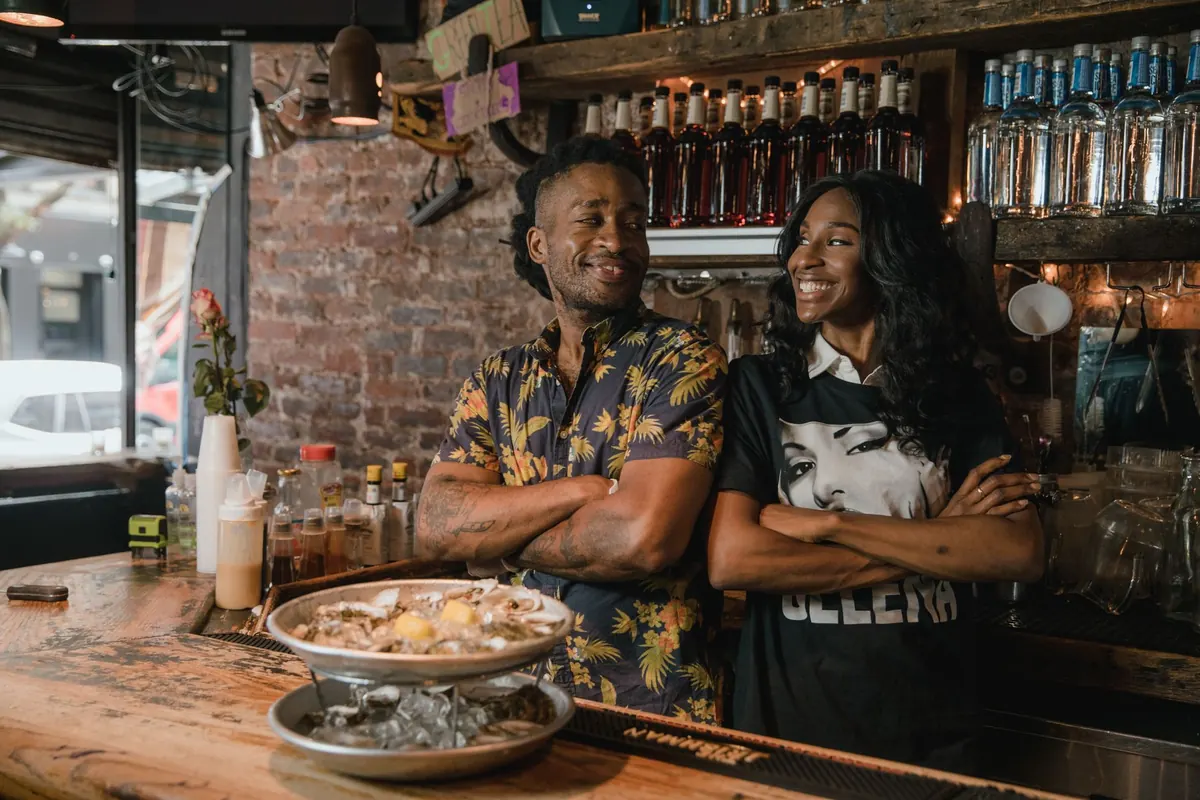
Amina had cooked for weddings for six years before she finally said it out loud: "I want my own restaurant." Her pilau already had fans across Sinza. What she did not have was a plan. Which licence comes first? How much rent is too much? Who fries the chips when she is at the market?
If that sounds like you, this guide is for you. Starting a restaurant in Tanzania takes twelve steps: pick a clear concept, test it, find the right location, register the business, get your food and safety permits, set a budget, fit out the kitchen, build a short menu, hire and train staff, choose suppliers, market before you open, and run a soft opening. Below we go through each one in plain language, with the mistakes we see most often.
Step 1: What kind of restaurant do you want to run?
Write your idea in one sentence. "A chips and grilled chicken spot for students near UDSM." "A family seafood restaurant on the Mbezi road." "A café for office workers in Posta." If you cannot say it in one sentence, customers will not understand it either.
Your concept decides almost everything else: the size of the room, the equipment, the prices and the people you hire. A fast food counter needs a powerful fryer and quick hands. A sit-down restaurant needs comfortable chairs, good lighting and waiters who can talk to guests.
Ask yourself three honest questions. Who exactly will eat here? How much do they spend on a meal today? Why would they choose you over the place they already go to?
Step 2: How do you test the idea before spending big money?
The cheapest restaurant mistake is the one you catch early. Before you rent a building, sell your food on a small scale for a month or two. Cook from home for office lunches, run a weekend stall, or take orders on WhatsApp. Track what sells, what people complain about and what they order again.
This is how many successful Dar es Salaam spots began. A small test shows you your best dish, your real food cost and whether people will pay your price. It also gives you your first loyal customers, who will follow you when you open.
If you plan to sell chips, our guide on starting a chips business covers the small-scale version in detail.
Step 3: How do you choose the right location?
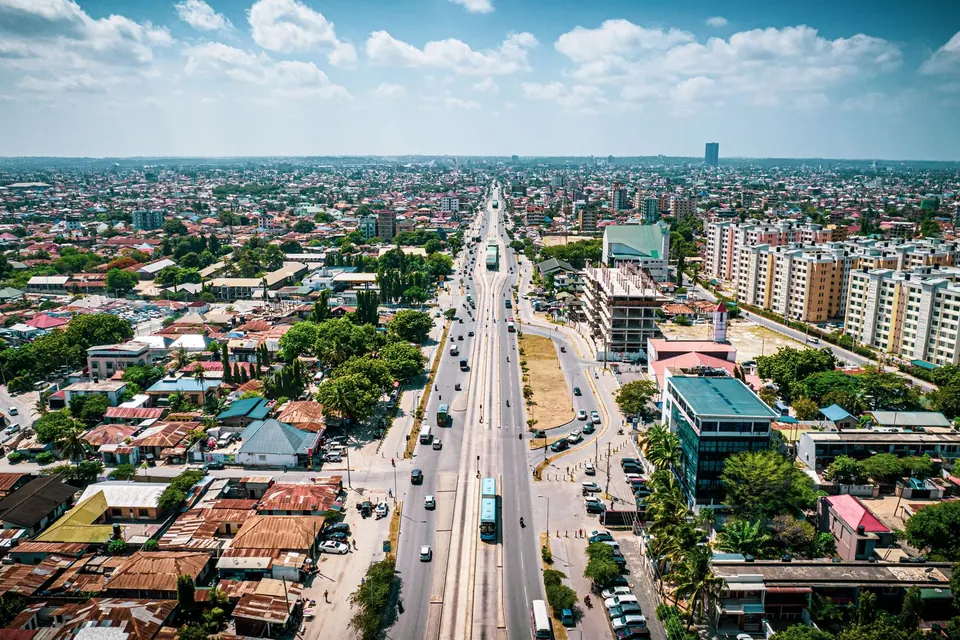
Location is the decision you cannot easily undo. Visit the area at different times: weekday lunch, a Friday night and a Sunday afternoon. Count the people walking past. Look at who they are and what they are already buying.
- Visibility: can people see you from the road, and is there a place for a clear sign?
- Parking and access: in many parts of Dar, customers arrive by car, bajaji or boda boda. Make it easy for them to stop.
- Power and water: ask neighbours how often the power goes. You will need a generator or a backup plan for your freezer.
- Competition: a street with five restaurants can be good, because people already come there to eat. A street with five restaurants selling exactly your food is harder.
- Rent: a common rule of thumb is that rent should stay below about 10 percent of the sales you expect. Many landlords ask for several months up front, so plan for that.
Step 4: How do you register the business?
Register your business name or company with BRELA, then get a Taxpayer Identification Number (TIN) from the Tanzania Revenue Authority. With these you can apply for a business licence from your municipal or city council. Open a separate bank or mobile money account for the business from the first day, so your restaurant money and family money never mix.
Step 5: Which food and safety permits do you need?
A restaurant handles food, fire and staff, so it needs more than a business licence. Food premises are registered and inspected by the Tanzania Bureau of Standards (TBS), often working with the local council. You will also need a fire safety certificate, workplace registration with OSHA, and health checks for food handlers. If you plan to sell alcohol, that is a separate licence.
We explain each document, who issues it and the order to apply in our guide to restaurant licences and permits in Tanzania. Start this early. Inspections can take weeks, and you do not want a finished restaurant waiting for paperwork.
Step 6: How much money do you need?
Write down every cost before you commit. Split it into two lists: money to open (deposit, renovation, equipment, furniture, licences, first stock, signage) and money to survive the first months (rent, salaries, power, gas, marketing). Most new restaurants take a few months to reach steady sales, so keep at least three months of running costs in reserve.
We break down real cost ranges for small, medium and larger restaurants in how much it costs to open a restaurant in Tanzania. When you have your numbers, put them into a simple restaurant business plan. A bank or SACCO will ask for one, and it forces you to check your own maths.
Step 7: How should you set up the kitchen?
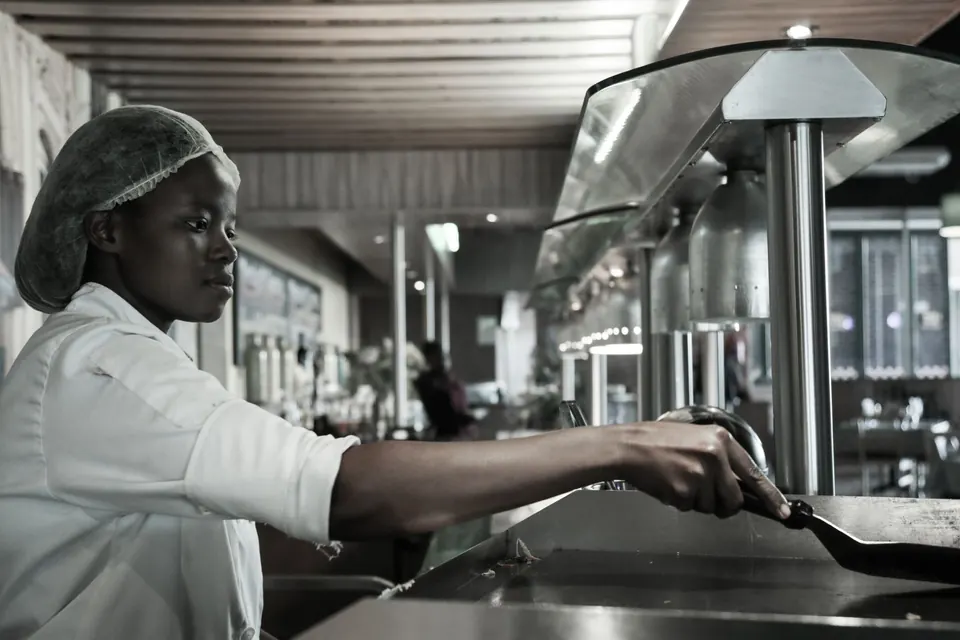
Design the kitchen around your busiest hour, not a quiet afternoon. Food should move in one direction: storage, preparation, cooking, plating, out to the guest. Dirty plates should come back on a different path.
Buy the equipment your menu really needs. A chips and chicken spot lives or dies by its fryer, its chest freezer and its grill. A seafood restaurant needs cold storage you can trust. Our kitchen equipment checklist lists what to buy first and what can wait, and our guide to choosing a commercial deep fryer helps with the most important machine in most Tanzanian kitchens.
Step 8: How long should your menu be?
Shorter than you think. A first menu of 12 to 20 dishes is easier to cook well, easier to stock and easier to price. Every dish should earn its place. Use shared ingredients across several dishes, so the same chicken, rice and potatoes appear in different forms.
Price each dish from its real cost. Weigh your portions, add up the ingredients, and aim for food cost of around 28 to 35 percent of the selling price. Our guide to pricing a restaurant menu walks through the maths with Tanzanian examples.
Step 9: Who do you need to hire?
A small restaurant can open with a head cook, a second cook, two waiters, a cleaner and a cashier, with the owner filling gaps. Hire for attitude and train for skill. Someone who arrives on time and keeps the kitchen clean is worth more than a talented cook who disappears on Sundays.
Write simple job descriptions, agree pay in writing and register your workers for social security with NSSF. Our guide to hiring and training restaurant staff covers interviews, trial shifts and training.
Step 10: How do you choose suppliers?
Your suppliers decide whether you can cook the same dish the same way every day. Look for steady quality, fair prices, delivery on a fixed day and someone who answers the phone when something goes wrong. Start with two options for your most important items, so one late delivery does not close your kitchen.
Chips are a good example. Peeling and cutting potatoes by hand takes hours every morning, and quality changes with every sack. Many restaurants now buy frozen fries so every plate looks and tastes the same, and the kitchen saves that prep time for other work.

Supa Fries are cut from Tanzanian potatoes and cook from frozen in about 3 minutes. Bulk orders from 15 kg with regular delivery in Dar es Salaam.
Ask for wholesale pricesStep 11: How do you market a restaurant before it opens?
Start talking about your restaurant four to six weeks before opening. Put up a sign on the building with your opening date. Create an Instagram and TikTok account and post the renovation, the menu tasting and the team. Claim your free listing on Google Maps so people can find you on day one.
We cover each of these in detail in restaurant marketing ideas for Tanzania and how to get your restaurant on Google Maps.
Step 12: Why run a soft opening first?
A soft opening is a quiet trial before the official launch. Invite friends, neighbours and local business owners for a few days. Serve the full menu, take payment and ask for honest feedback. You will find the problems while the stakes are low: the dish that takes too long, the waiter who forgets drinks, the fridge that is too small.
Fix what you find, then open properly. On the big day, keep the menu short, have extra stock and be on the floor yourself. Thank every guest. The first month is when people decide whether you are worth coming back to.
What mistakes sink new restaurants?
| Mistake | What to do instead |
|---|---|
| Spending everything on decoration | Keep at least 3 months of running costs in the bank |
| A menu with 60 dishes | Start with 12 to 20 dishes you can cook well every day |
| Guessing prices | Cost every dish and aim for 28 to 35 percent food cost |
| Opening before permits are ready | Start licences early and keep copies on the wall |
| No records | Write down sales and costs every day, even in a notebook |
| Owner always away | Be present in the first months; customers notice |
Amina opened eight months after she first said the words. She started with nine dishes, one fryer and a WhatsApp group of 200 people from her catering days. It was not easy, and the first rainy season was slow. But she knew her numbers, and that is what kept the doors open.
In short
To start a restaurant in Tanzania, test your idea on a small scale, choose a location with steady foot traffic and fair rent, register with BRELA and TRA, get your business licence, TBS food premises registration, fire certificate and OSHA registration, then fit out the kitchen, build a short menu, hire and train staff and run a soft opening. Keep at least three months of running costs in reserve and price every dish from its real cost.
- One-sentence concept, tested before you rent.
- Licences take time: start them early.
- 12 to 20 dishes, food cost around 28 to 35 percent.
- Market four to six weeks before opening and claim your Google Maps listing.
Frequently asked questions
How much does it cost to start a restaurant in Tanzania?
It depends on size and location. A small takeaway can start with a few million shillings, while a sit-down restaurant in a busy part of Dar es Salaam can need tens of millions. Plan for setup costs plus at least three months of running costs.
What licences do I need to open a restaurant in Tanzania?
Usually business registration with BRELA, a TIN from TRA, a business licence from your council, TBS food premises registration, a fire safety certificate, OSHA workplace registration and health checks for food handlers. Alcohol needs a separate licence.
Is a restaurant business profitable in Tanzania?
It can be, but margins are thin when costs are not controlled. Restaurants that keep food cost around 28 to 35 percent, watch waste and build repeat customers have the best chance.
How long does it take to open a restaurant?
Many small restaurants take three to eight months from finding a location to opening, depending on renovation work and how long permits and inspections take.
What is the best food business to start in Tanzania?
Simple, popular food with steady demand, such as chips and chicken, grilled meat, breakfast and lunch for office workers or local dishes like pilau, is often easier to start than a complex menu.
Do I need experience to open a restaurant?
It helps a lot. If you have none, work in a restaurant for a few months or start with a small stall or catering business to learn before you invest.
Put better chips on your menu
Found this useful? Share it.