
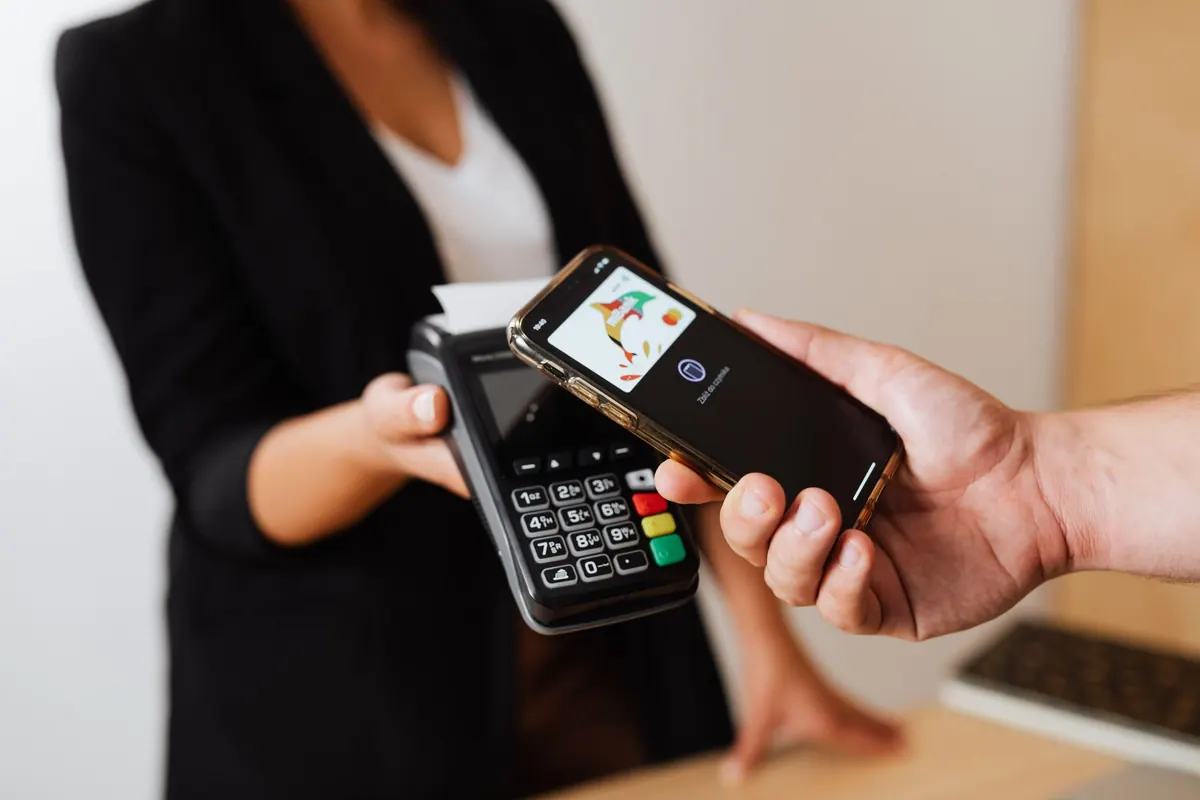
A customer finishes a plate of chips kuku in a busy Mwenge restaurant and asks, "Namba ya kulipia?" The waiter shouts a number across the room, the customer types it wrong, sends money to a stranger, and twenty minutes of arguments follow. Meanwhile three tables are waiting to pay.
Mobile money is how most Tanzanians pay, and restaurants that make it easy get paid faster, with fewer mistakes. Set up a business merchant number (often called a Lipa number) instead of a personal number, display one clear payment code or TANQR QR code on every table and at the counter, confirm every payment before the customer leaves, and keep mobile money records separate from personal money. Here is how it works.
Why is mobile money so important for restaurants?
The Tanzania Communications Regulatory Authority counted more than 76 million active mobile money accounts at the end of 2025, more than twice the number four years earlier, according to figures reported from its communications statistics. Many customers carry little cash, especially younger people and office workers. If paying by phone is slow or confusing, they will pay less often, tip less or choose a place where it is easier.
Which mobile money services should a restaurant accept?
The main providers include M-Pesa (Vodacom), Mixx by Yas (formerly Tigo Pesa), Airtel Money and HaloPesa. Your customers use all of them. You can open a merchant account with each, but the simpler option today is a QR code that works across providers (see below).
| Method | How the customer pays | Good for |
|---|---|---|
| Merchant Lipa number | Enters your business number in their mobile money menu | Every restaurant |
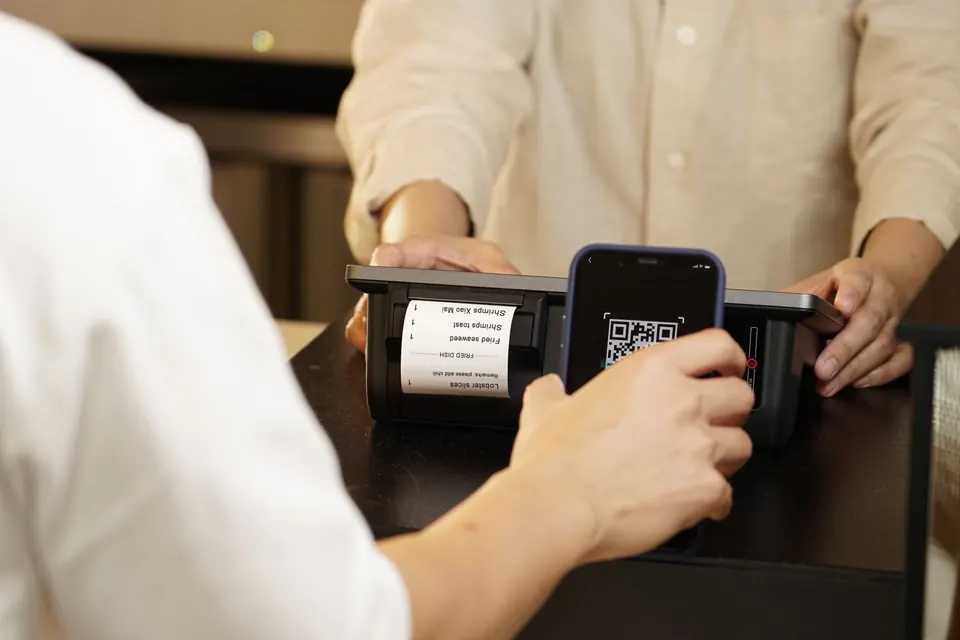
| TANQR QR code | Scans one code with their mobile money or banking app | Fast payment at tables and counters |
| Bank card | Taps or inserts a card at a terminal | Hotels, tourists, higher-end restaurants |
| Cash | Pays the cashier | Still needed for many customers |
Why use a merchant number instead of a personal number?
- It looks professional. Customers see your business name when they pay.
- It keeps money separate. Restaurant money does not mix with family money, which makes your records and taxes easier.
- Fewer mistakes. A short merchant number is easier to type than a phone number.
- Better records. Merchant accounts usually give statements you can use for your accounts and when applying for loans.
Apply through your mobile network or agent with your business registration and ID. Ask each provider about current fees and settlement times, because they change.
What is TANQR?
TANQR is the national QR code standard set by the Bank of Tanzania in 2022. It lets one QR code accept payments from different mobile money wallets and banks. Customers scan your code with their app, enter the amount and confirm. For a restaurant this means one code on every table instead of a list of numbers for every network. Ask your bank or mobile money provider for a TANQR-compatible merchant code.
How should you display payment details?
- Print a small, clear card for each table with the QR code, Lipa number and business name.
- Put a larger sign at the counter and by the entrance.
- Laminate cards so they survive spills.
- Never handwrite numbers on scraps of paper; it invites mistakes and fraud.
- Add the payment details to your WhatsApp catalogue and delivery messages.
How do you confirm payments and avoid fraud?
Fake payment messages are a known trick. A customer shows an SMS that looks like a confirmation, but no money arrived. Protect yourself:
- Confirm every payment on the business phone or merchant app, not on the customer's screen.
- Check the transaction ID, amount and name.
- Keep the business phone with the cashier or manager, not on a waiter's personal phone.
- Never share your PIN, and change it if a staff member leaves.
- For delivery, confirm payment before the rider leaves, or collect on arrival with the rider checking with you.
How do you keep good records?
At the end of each day, match your mobile money statement with your sales records. Write down total cash, total mobile money and total card. If the numbers do not match, find out why that day, not at the end of the month. Good records also support tax compliance with TRA, including issuing proper receipts.
How should you handle fees?
Depending on the service and transaction, either the customer, the merchant or both may pay a fee. Check the current fee structure with each provider. Include any fees you pay in your pricing, the same way you include packaging or gas. Our guide to menu pricing explains how.
How can you make paying faster?
Bring the bill with the payment card. Train waiters to say the total and point to the QR code. For busy counters, have the cashier read the total aloud and confirm the payment before handing over takeaway. Faster payment means faster table turnover, which matters on busy nights.
Do customers tip by mobile money?
Some do, especially if it is easy. Some restaurants add a separate tip number or let customers add a tip to the bill. Agree with your staff in advance how mobile money tips are recorded and shared, so it is fair and transparent.
Mobile money is one of the trends changing how Tanzanians eat out. Read more in restaurant trends in Tanzania for 2026.

Wholesale customers can order Supa Fries on WhatsApp and pay by mobile money or bank transfer, with invoices on request.
Ask for wholesale pricesShould you still accept cash?
Yes. Many customers, especially older people and those paying small amounts, still prefer cash, and some days the network is slow. Keep a float of small notes and coins every morning so you can give change, and count the till with a second person at closing. The goal is not to stop cash, but to make every way of paying quick and safe.
How do you train staff on payments?
Make payment a short part of every new worker's training. Show them how to read the total aloud, point to the payment code, wait for the confirmation on the business phone and thank the customer. Explain the fake-SMS trick so they recognise it. Agree on what to do when a payment fails: stay polite, ask the customer to try again or pay another way, and call the manager if there is a disagreement. Calm, clear steps prevent most arguments at the till.
How do you handle split bills?
Groups of friends often want to pay separately. Make it easy: ask at the start whether they want separate bills, write each person's items clearly, and let each person pay by phone or cash. With a QR code on the table, everyone can scan and pay their share in a minute, without crowding around one phone or shouting numbers across the room.
In short
Restaurants in Tanzania should accept mobile money with a business merchant (Lipa) number rather than a personal number, and display one clear payment code, ideally a TANQR QR code that works across mobile money providers and banks, on every table and at the counter. Confirm every payment on the business phone, keep mobile money separate from personal money, match statements with sales every day and include any fees in your pricing.
Frequently asked questions
How can my restaurant accept mobile money?
Open a merchant account (Lipa number) with providers such as M-Pesa, Mixx by Yas, Airtel Money or HaloPesa, or ask your bank or provider for a TANQR QR code that accepts payments from many wallets.
What is TANQR?
TANQR is the Bank of Tanzania's national QR code standard, introduced in 2022, which lets one code accept payments from different mobile money providers and banks.
Is Tigo Pesa still available?
Tigo Tanzania rebranded to Yas in late 2024, and Tigo Pesa became Mixx by Yas. Existing accounts continued to work.
How do I avoid fake mobile money payments?
Always confirm payments on your own business phone or merchant app, check the transaction ID and amount, and never rely on the customer's screen or SMS.
Should I use my personal number for restaurant payments?
It is better to use a merchant number. It looks professional, keeps business and personal money separate and gives better records.
Put better chips on your menu
Found this useful? Share it.