
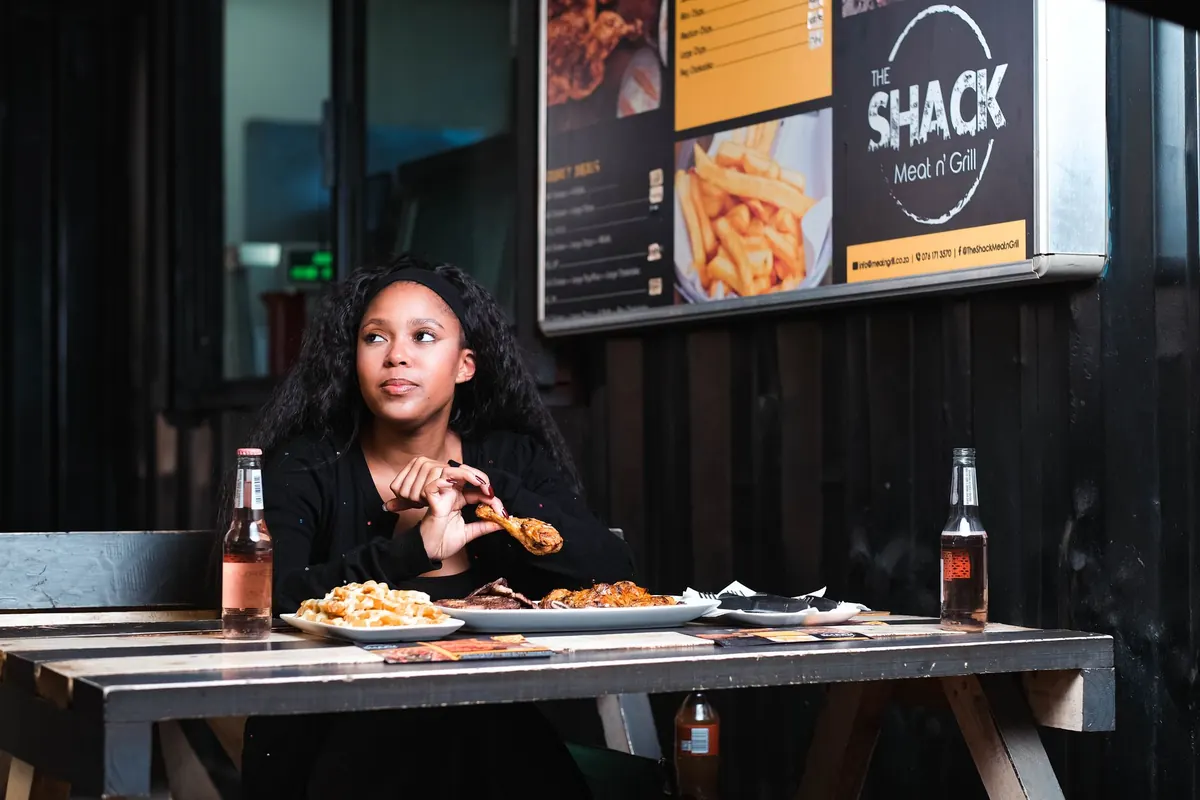
Walk through Masaki on a Friday night and then through Sinza on a Saturday afternoon, and you will see the same thing in different forms: phones out, plates being filmed, payments made with a tap of a few numbers, delivery riders waiting at the counter. Tanzania's restaurant scene is changing quickly, driven by a young, connected population and rising costs that push owners to work smarter.
The biggest restaurant trends in Tanzania for 2026 are: social media deciding where people eat, cashless payments by mobile money and QR code, delivery and takeaway as a main channel, local and traceable ingredients, smaller menus with signature dishes, loaded and fusion street food, more choice for health-conscious diners, and restaurants that work as social spaces. Here is what each trend means and how to use it.
1. Social media decides where people eat
For many young diners, the first taste of a restaurant is a 15-second TikTok or an Instagram reel. DataReportal's Digital 2026 report counted close to 8 million social media user identities in Tanzania in late 2025, up from about 5.65 million in early 2024. Restaurants with a visible "hero dish" and regular videos are winning attention, while places that rely only on passing traffic are finding it harder.
What to do: pick one dish that films well and post it every week. Our social media guide has a simple weekly plan.
2. Cashless is now normal
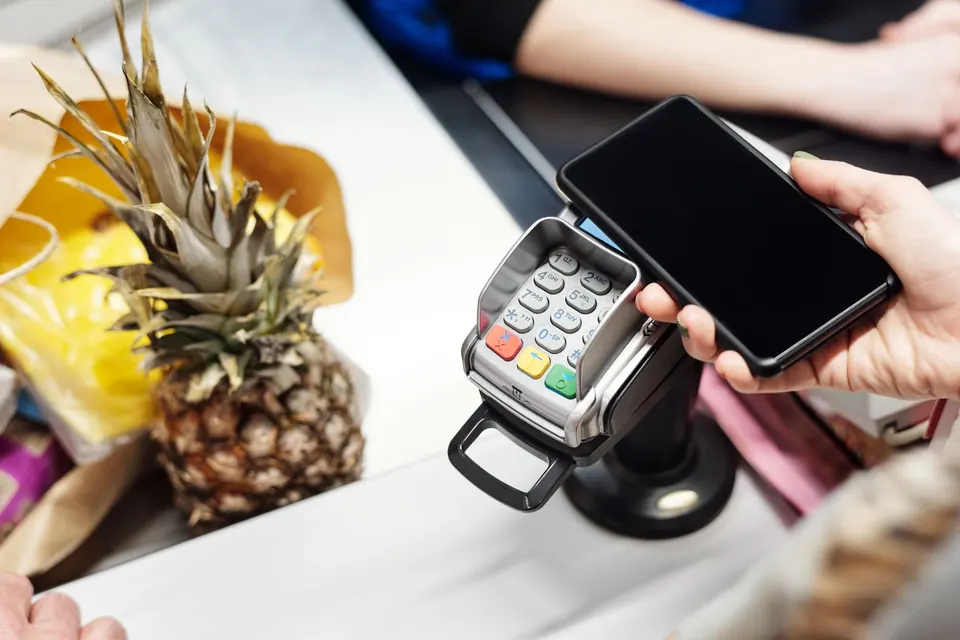
Mobile money is everywhere. The Tanzania Communications Regulatory Authority counted more than 76 million active mobile money accounts at the end of 2025, more than double the figure four years earlier. The Bank of Tanzania's national QR standard, TANQR, lets one code accept payments from different mobile money providers and banks. Customers increasingly expect to pay by phone, quickly, without asking the waiter for a number.
What to do: display one clear payment code or Lipa number at every table and the counter. See our guide to mobile money for restaurants.
3. Delivery and takeaway keep growing
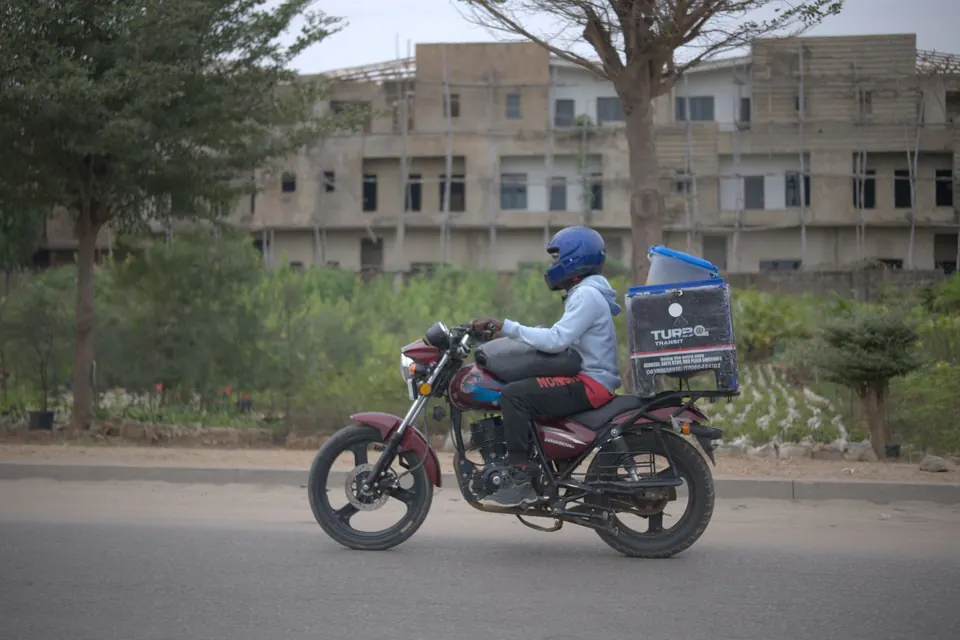
Busy workers, traffic and rain all push people to order in. Apps like Bolt Food operate in Dar es Salaam, and many restaurants run their own delivery with WhatsApp orders and boda boda riders. Takeaway now often makes up a large share of sales for fast food and chips spots.
What to do: choose dishes that survive the trip, use vented packaging for fried food and price delivery to protect your margin. Our guide to food delivery for restaurants explains the options.
4. Local ingredients are a selling point
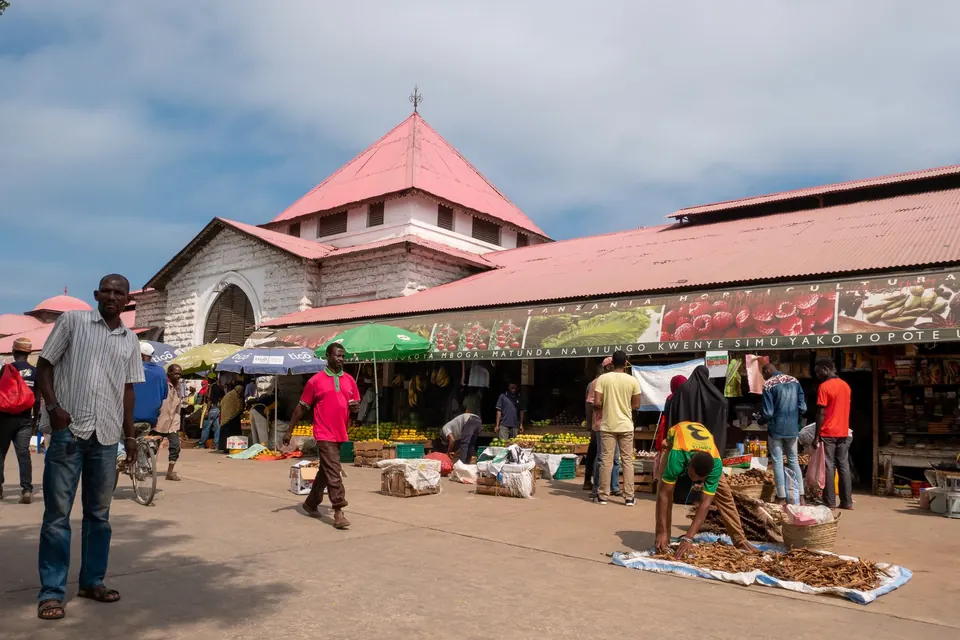
Diners are proud of Tanzanian produce: coffee from Kilimanjaro, spices from Zanzibar, fish from Lake Victoria and the coast, potatoes from the Southern Highlands. Telling customers where your food comes from builds trust and gives your marketing a story. It also helps with costs, because local supply chains are shorter and less exposed to exchange rates. Read about why Southern Highlands potatoes make great fries.
5. Shorter menus, stronger signature dishes
Food prices, gas and power have all become more expensive. Smart restaurants are cutting long menus to the dishes that sell and cooking them better. A short menu means less waste, faster service and easier training. It also makes your signature dish stand out.
What to do: look at your sales and remove dishes that sell less than a few times a week. Our guide to menu pricing explains how to find your winners.
6. Loaded and fusion street food
Street food is being dressed up. Loaded fries with mishkaki and kachumbari, chipsi mayai with cheese, pilau-spiced fries, Zanzibar pizza with new fillings, burgers with local sauces. Younger diners love familiar flavours in new forms, and these dishes look great on camera. They are also a smart way to raise the price of a plate using ingredients you already have. See our loaded fries recipes and fast food trends.

Supa Fries hold their crunch under toppings and sauces, and cook from frozen in about 3 minutes for fast service.
Ask for wholesale prices7. More choice for health-conscious diners
More customers ask for grilled instead of fried, salads, fresh juices without added sugar, and smaller portions. That does not mean fried food is disappearing; chips are still one of the most ordered foods in the country. It means offering a choice: a grilled option, a side salad, a smaller portion of chips, or an air-fried snack. Cooking chips properly also helps, because well-fried chips absorb less oil. Read how to make fries less oily.
8. Restaurants as social spaces
People want somewhere to spend the whole evening. Football screenings, live music, rooftop terraces, family corners, laptop-friendly cafés and Sunday brunches all turn a meal into an outing. Restaurants that host events see busier quiet nights and more people sharing their visit online.
How do these trends compare for a small restaurant?
| Trend | Cost to adopt | First step |
|---|---|---|
| Social media | Low | Film your best dish this week |
| Cashless payments | Low | Put a payment code on every table |
| Delivery | Medium | Test WhatsApp orders in your area |
| Local ingredients | Low | Tell customers where your food comes from |
| Shorter menu | Saves money | Remove slow sellers |
| Loaded street food | Low | Add one loaded fries dish |
| Healthier choices | Low | Offer a grilled or salad option |
| Social spaces | Medium | Host one event a month |
What should you do first?
You do not need to follow every trend. Pick two that fit your customers and your budget. For most small restaurants that means cashless payments and social media, because both cost little and bring results fast. The trends will keep changing, but the basics behind them stay the same: good food, fair prices, easy ordering and a reason to talk about you.
How are rising costs changing restaurants?
Many owners we speak to say the same thing: cooking oil, gas, meat and rent cost more than they did a few years ago, while customers watch their spending carefully. The restaurants handling this best are not simply raising prices. They are measuring portions, cutting waste, buying ingredients that reduce prep labour, and building combos that raise the average bill without making the menu feel expensive. Some are also moving to shorter opening hours on slow days, so they do not pay for staff and power when few customers come. Our guide to reducing food waste covers some of the quickest savings.
What should restaurant owners watch next?
Keep an eye on three things over the coming year. First, how customers pay: QR payments are spreading, and they make tipping and splitting bills easier. Second, how delivery platforms change their terms, since commission can make or break delivery profits. Third, what young creators are filming. A dish that goes viral in Sinza on Monday can be on menus across the city by the weekend. You do not have to chase every trend, but you should know what your customers are watching.
Whatever trends you choose, measure them. Note your sales before and after each change for a month. If a new idea does not bring customers or profit, drop it without regret and try the next one.
In short
The main restaurant trends in Tanzania for 2026 are social media driving restaurant choice, cashless payments by mobile money and QR code, growing delivery and takeaway, local ingredients, shorter menus with signature dishes, loaded and fusion street food, healthier options and restaurants as social spaces. For most small restaurants, the quickest wins are cashless payments and regular short videos of a signature dish.
Frequently asked questions
What food is trending in Tanzania?
Loaded fries, upgraded chipsi mayai, grilled meats, seafood, fusion street food and fresh juices are popular, especially with younger diners.
Do Tanzanian restaurants accept mobile money?
Many do, and it is becoming expected. A single QR code or Lipa number makes payment quick for customers.
Is food delivery popular in Tanzania?
It is growing, especially in Dar es Salaam, through apps like Bolt Food and through restaurants taking orders on WhatsApp.
How can a small restaurant keep up with trends?
Choose two trends that fit your customers, such as cashless payments and social media, and do them well before adding more.
Are healthy options important for restaurants in Tanzania?
Increasingly, yes. Offering grilled dishes, salads, fresh juices and smaller portions gives health-conscious diners a reason to choose you.
Put better chips on your menu
Found this useful? Share it.