

Ten years ago, buying lunch meant walking to the nearest food spot and paying cash. Today, many people send a WhatsApp message, pay with their phone and wait for a bodaboda to bring it to the office. Tanzania's food scene is changing fast, and chips are right in the middle of it.
Below is what we are seeing in Dar es Salaam and beyond, and what each trend means for homes, restaurants and chips spots.
1. Why is ordering moving to WhatsApp?
Customers increasingly order food by WhatsApp message or phone call instead of walking in. For a chips spot, that means a shared business number, a simple menu image and fast replies. A business that answers in 2 minutes wins the order over one that answers in 20. Supa Fries takes orders the same way: see how to order.
2. Is food delivery growing in Tanzania?
Yes. Bodaboda riders and delivery apps have made it normal to get lunch delivered to the office. The challenge for chips is travel time: fries lose crispness in a closed box. Vented boxes, sauces on the side and frying to order help. Our tips on making fries less oily also keep delivered chips better.
3. How is mobile money changing food businesses?
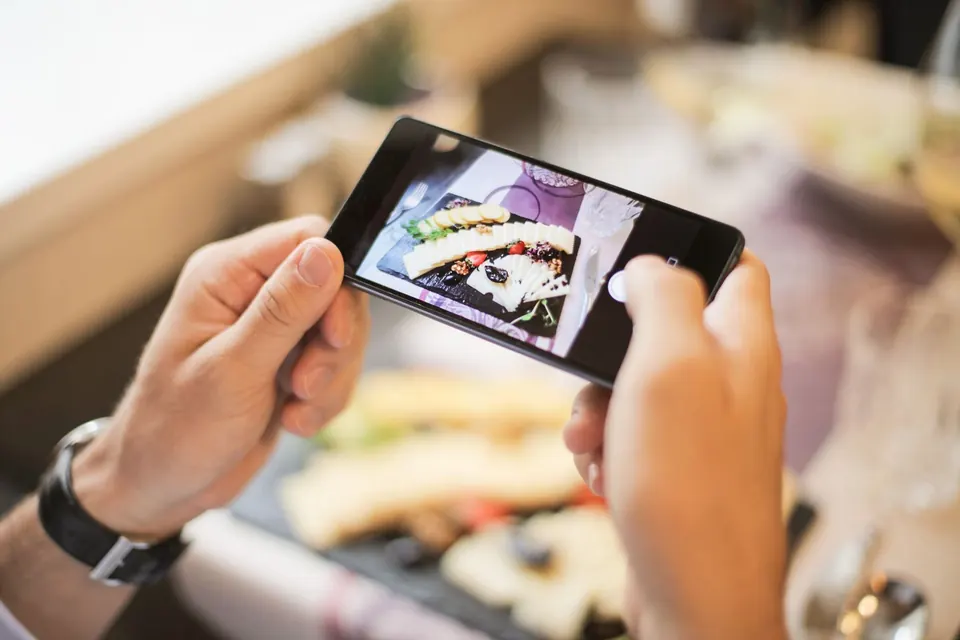
Mobile money is now one of the main ways Tanzanians pay, including for food. It means faster payment, less cash handling and easy pre-payment for delivery orders. For a background on how it started, see M-Pesa on Wikipedia.
4. Why does social media matter for chips spots?
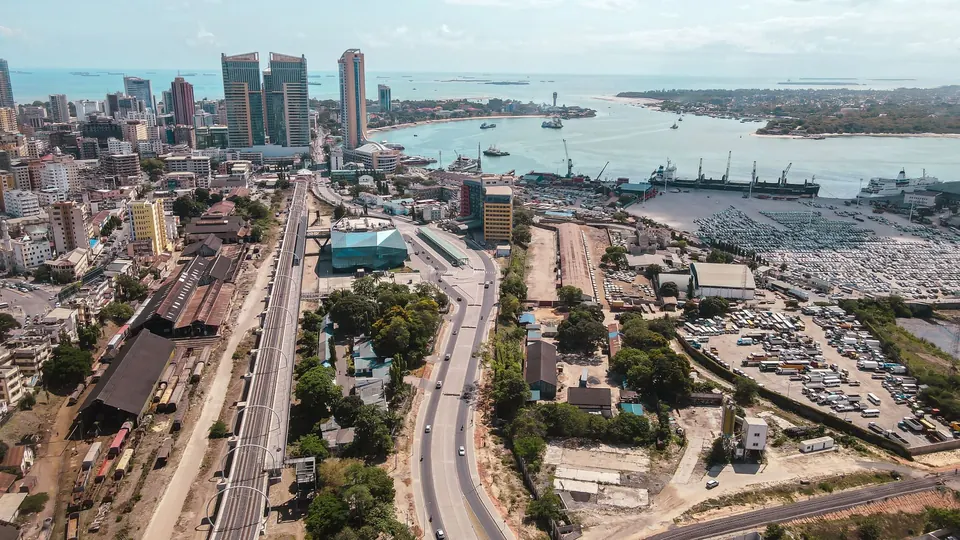
People find food on Instagram, TikTok and WhatsApp Status. A sizzling video of chipsi mayai or a cheese pull on loaded fries can bring a queue. The businesses doing best post every day, show real food, and show their prices.
5. Are air fryers becoming popular in Tanzanian homes?
Yes, especially in cities. Families like that they use little oil, are safer around children and are easy to clean. Frozen fries suit air fryers very well. Compare the two in air fryer vs deep fryer.
6. What new chips dishes are customers asking for?
Classics like chipsi mayai and chips kuku are still the base, but menus are adding:
- Loaded fries with cheese, beef or shawarma chicken
- Seasoned chips: masala, peri-peri, garlic and herb (see seasoning ideas)
- Combo meals with a drink
- House sauces like garlic mayo and homemade pilipili
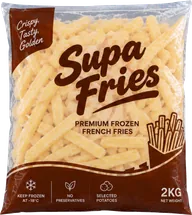
Bulk orders from 15 kg with weekly or biweekly delivery in Dar es Salaam and invoicing on request.
Ask for wholesale prices7. Why are businesses switching to consistent, local ingredients?
Customers expect the same chips every visit, whether it is Monday lunch or Saturday night. Fresh potatoes vary by season and need peeling staff every morning. More restaurants are using frozen fries for consistent size and colour, faster service and less waste, and many prefer local products for reliable supply. Read frozen fries vs fresh-cut chips and why Southern Highlands potatoes make great fries.
What should food businesses do about these trends?
- Make ordering easy: one WhatsApp number, a clear menu image, quick replies.
- Package for delivery: vented boxes, sauces on the side.
- Post real food photos and videos daily.
- Keep quality consistent with fixed portions and reliable ingredients.
- Add one or two new items, like loaded fries, and see what sells.
For more practical ideas, see 8 ways restaurants can sell more chips.
How are home eating habits changing?
Busy city families have less time to cook from scratch on weeknights. More homes have freezers, many now have air fryers, and shops stock more ready-to-cook foods. This is driving demand for products that save time without sacrificing taste: frozen fries, ready-marinated meat, and spice mixes. At the same time, people still want food that tastes like home, which is why classics like chipsi mayai and chips kuku remain favourites at home as well as on the street.
Are Tanzanians looking for healthier fast food?
There is growing interest in lighter options: air-fried chips, grilled rather than fried chicken, more salad and kachumbari, and smaller portions. Many customers still want their chips, but cooked better. For businesses, simple changes like fresh oil, proper draining, a grilled chicken option and fresh sides respond to this without changing the whole menu. See how to make fries less oily and are frozen fries healthy?
Why are shops stocking more frozen food?
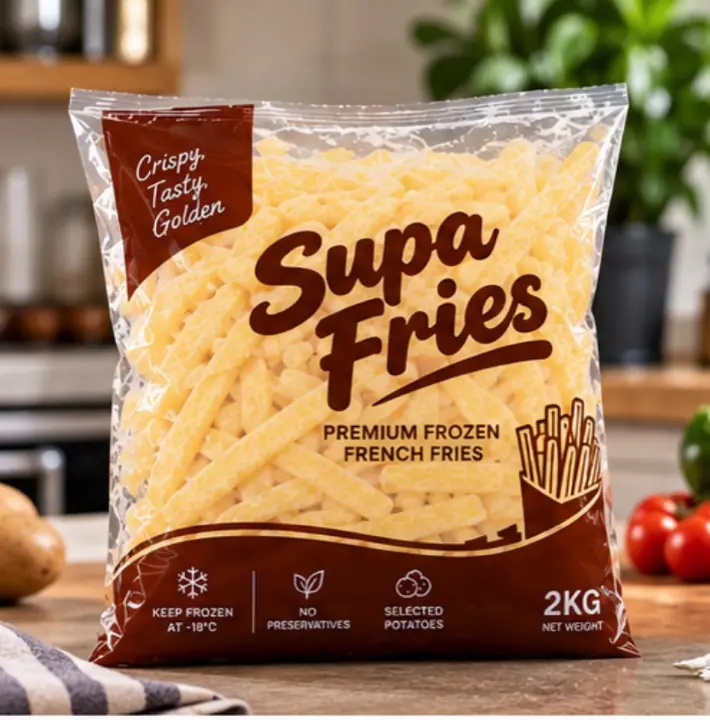
More homes with freezers means more demand for frozen food in supermarkets and neighbourhood shops. Frozen products keep for months, which suits shops, and families can stock up and avoid daily market trips. Frozen fries are a natural fit: easy to cook, loved by children and adults, and useful for quick meals. If you run a shop, see how to sell frozen fries in your shop.
Is there a trend towards buying Tanzanian products?
Yes. Customers and businesses increasingly value products made in Tanzania: they support local jobs and farmers, and local supply is often more reliable than imports, which can be delayed or rise in price. Restaurants planning their weekly stock appreciate a supplier who is nearby and reachable on WhatsApp. Learn more about frozen fries made in Tanzania and where Tanzania's potatoes grow.
How does tourism affect the food scene?
Tanzania's visitors, from safari travellers to beach holidaymakers in Zanzibar, eat at hotels, lodges, cafes and street food markets. Many hotels serve chips daily, and tourists often seek out local street food experiences like Forodhani Gardens in Stone Town. This creates demand for food that is both consistent (for hotels) and authentically local (for visitors). Read our guide to places to eat street food in Tanzania. The Tanzania Tourist Board has more on visiting the country.
Which trends should food businesses watch next?
- Cashless payment for almost every order.
- Short video marketing on TikTok and Instagram Reels.
- Delivery-friendly packaging that keeps food crisp.
- Consistent quality as customers compare spots online.
- Local sourcing as a selling point.
- Combo meals and value deals as prices rise.
None of these need a big budget. They need consistency, speed and attention to what customers say. For practical next steps, see how to price your plates and why restaurants choose Supa Fries.
How are young customers shaping the market?
Tanzania has a young population, and young customers are shaping how food is sold. They discover food spots on social media, compare photos and reviews, order on their phones and expect fast service. They are also open to new flavours, which is why loaded fries, peri-peri chicken and new sauces are spreading. At the same time, they keep coming back for the classics: a good chipsi mayai at a fair price is still one of the most popular meals among students and young workers. Businesses that mix reliable classics with one or two new, photogenic items tend to do well with this group.
How are rising costs affecting food businesses?
Like everywhere, food businesses in Tanzania face rising costs for oil, gas, electricity, rent and ingredients. The businesses that cope best know their numbers: they calculate cost per plate, cut waste, control portions and adjust prices in small steps. Reliable local supply also helps, because it reduces the risk of sudden price jumps and stock-outs from imported goods. See how to calculate chips cost per plate and how to make frying oil last longer.
In short
Tanzania's chips and fast food scene is changing in seven clear ways: ordering on WhatsApp and phone, delivery by motorbike riders, mobile money payments, food marketing on social media, air fryers in homes, new menu ideas like loaded fries, and a shift to consistent, locally made ingredients such as frozen fries. These trends reward businesses that are fast, consistent and easy to order from.
- Customers increasingly order by WhatsApp and pay by mobile money.
- Delivery is growing, so packaging that keeps chips crisp matters.
- Social media video sells food.
- Air fryers and freezers are changing home cooking.
- Loaded and seasoned fries are new menu favourites.
- Consistent, locally made ingredients are in demand.
Frequently asked questions
What is the most popular fast food in Tanzania?
Chips-based meals such as chipsi mayai and chips kuku are among the most popular, along with mishkaki, chicken and burgers.
Is food delivery common in Tanzania?
It is growing quickly in cities like Dar es Salaam, through motorbike riders, delivery apps and orders placed on WhatsApp.
Why are restaurants switching to frozen fries?
For consistent size and colour, faster service, no peeling labour and less waste, with a predictable cost per portion.
How can a small chips spot use social media?
Post short videos and photos of real food every day on Instagram, TikTok and WhatsApp Status, include prices, and make it easy to order by WhatsApp.
Are air fryers popular in Tanzania?
They are increasingly popular in city homes, because they use little oil, are safer around children and are easy to clean.
Why are more Tanzanian shops selling frozen food?
More homes have freezers, and frozen food keeps for months, which suits both shops and families who want to stock up.
What is the biggest trend for chips businesses?
Ordering and paying by phone, with delivery, combined with consistent quality that customers can trust every time.
How can a chips spot cope with rising costs?
Know your cost per plate, cut waste, control portions, look after your oil, and raise prices in small steps when needed.
Get Supa Fries delivered
Found this useful? Share it.