
Mama Neema bought a full sack of potatoes in Iringa for a good price. Back home in Dar, she stood in the kitchen looking at it. Her kids wanted chips every day, but she knew that if she only made chips, half the sack would sprout before she got through it. "What else do you even do with this many potatoes?" she asked her sister on the phone.
Quite a lot, it turns out. The best ways to use potatoes are french fries, wedges, cubes for stews and roasting, mash, grated potato (hash browns and rosti), thin crisps, and Tanzanian favourites like viazi karai, katlesi and potatoes cooked in coconut. Fries, wedges and cubes can also be blanched and frozen at home, so one sack lasts for weeks. Below are 12 ideas, the cut size for each one, and how to keep the extra potatoes from going to waste.
What can you make from potatoes, at a glance?
Here is a quick table before the details. Sizes are a guide, and times are for medium heat or oil at about 175°C.
| What to make | How to cut | Best cooked by | Rough time | Can you freeze it? |
|---|---|---|---|---|
| French fries | Sticks about 1 cm thick | Deep fry or air fry | 5 to 7 min frying | Yes, blanched |
| Wedges | 8 long wedges per potato, skin on | Oven or air fryer | 25 to 35 min | Yes, blanched |
| Cubes | 2 cm cubes | Stew, roast or pan fry | 15 to 30 min | Yes, blanched |
| Mash | Large chunks | Boil | 15 to 20 min | Yes, cooked |
| Hash browns and rosti | Grated | Pan fry | 8 to 10 min | Yes, cooked |
| Crisps | Slices 1 to 2 mm thin | Deep fry | 3 to 4 min | No, store dry |
| Viazi karai | Thick slices or halves, boiled first | Batter and deep fry | 3 to 4 min frying | Not after frying |
| Katlesi | Boiled and mashed | Shallow or deep fry | 4 to 5 min frying | Yes, before frying |
If you want the full list of fry shapes, from shoestring to crinkle cut, we covered those in types of french fry cuts. This post looks at the wider picture: every way a potato can end up on a plate.
1. French fries
Chips are the reason most of us buy potatoes in the first place. Peel, cut into sticks about 1 cm thick, rinse off the surface starch and dry them well. Fry at about 175°C until golden. Thinner sticks cook faster but go soft sooner; thicker ones stay fluffy inside but need more time in the oil.
For the crispiest result, read how to make crispy chips. Choosing the right sack matters too, so look at the best potatoes for french fries before your next market trip. Starchy, mature potatoes fry golden. Young, watery ones go dark and limp.
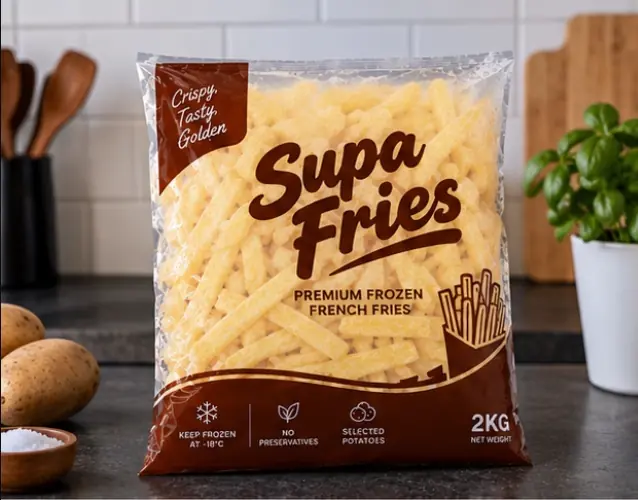
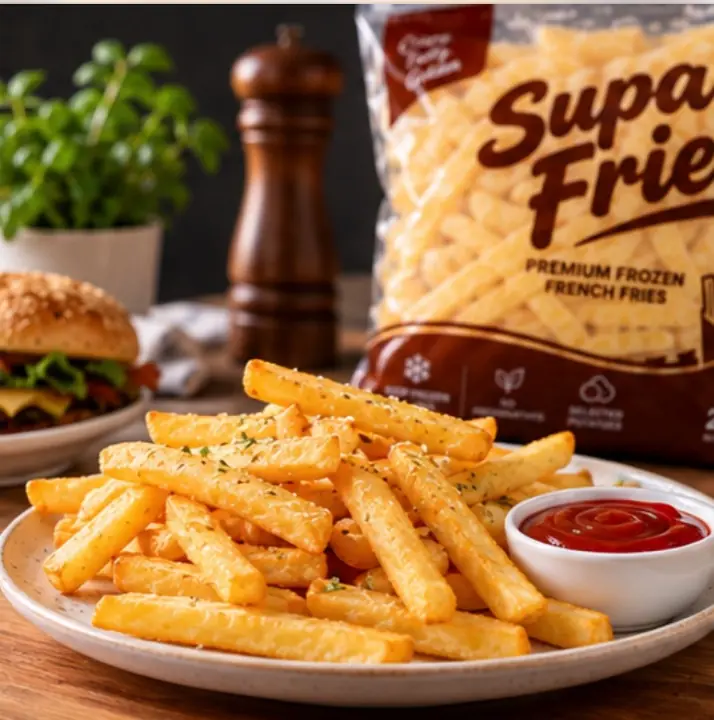
Supa Fries are already cut, blanched and frozen from Southern Highlands potatoes. Fry them straight from the freezer in about 5 minutes.
Order on WhatsApp2. Potato wedges
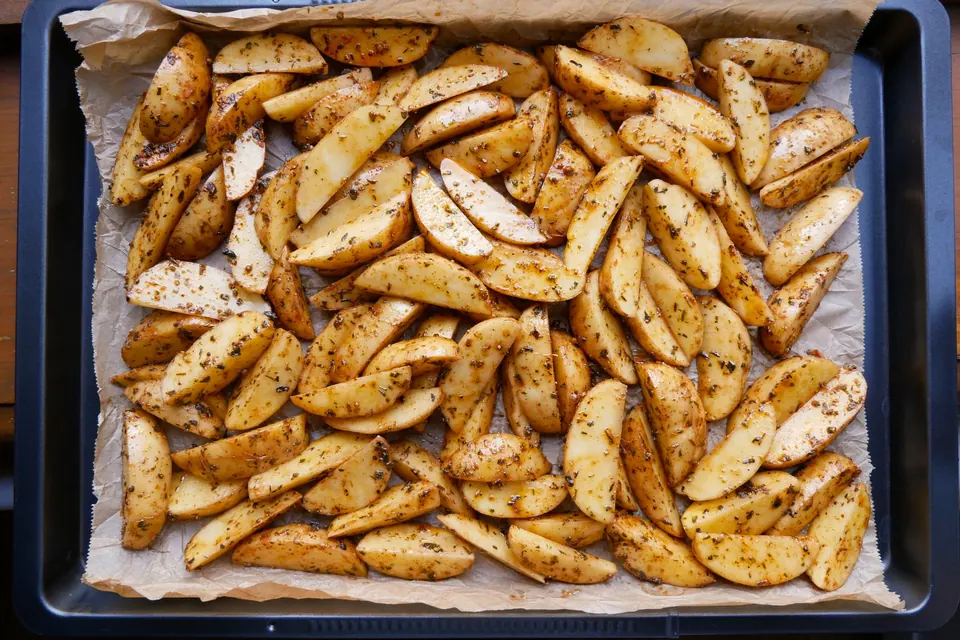
Wedges are the lazy cook's chips, and we mean that kindly. Wash the potato well and leave the skin on. Cut it in half lengthways, then cut each half into four long wedges. Toss them with a little oil, salt, pepper and whatever spice you like (paprika, garlic, pilipili, dried thyme), then bake at about 200°C for 25 to 35 minutes, turning once.
Wikipedia's page on potato wedges notes they are usually baked or fried with the skin on, which is what gives them their chewy edge. They go well with grilled chicken, and they work as a side at parties because they stay good longer on a plate than thin fries. Our fries seasoning ideas work just as well on wedges.
3. Potato cubes
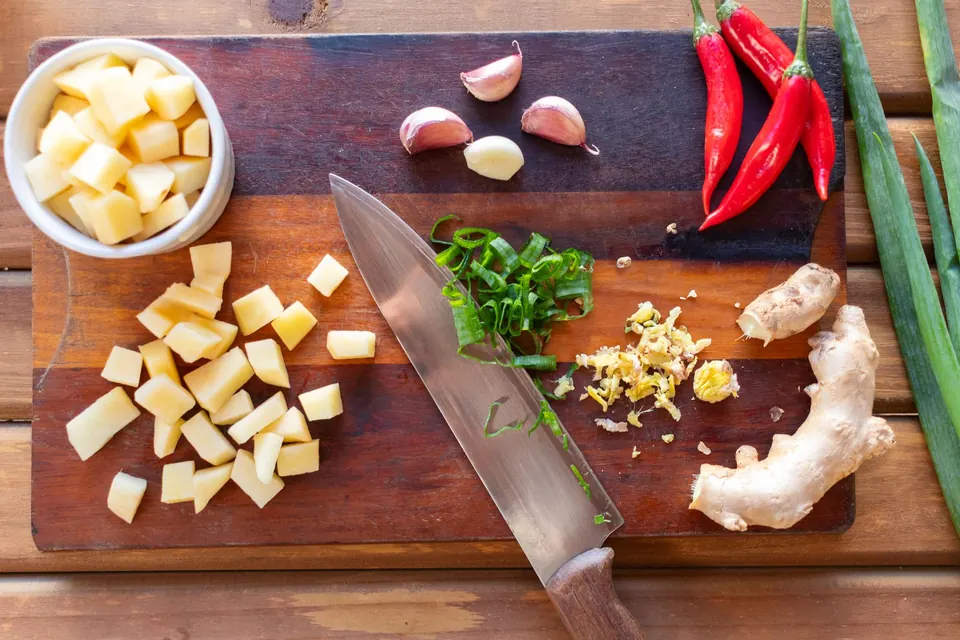
If you only learn one cut besides chips, make it the cube. Peel (or don't), cut into slices about 2 cm thick, then into sticks, then across into cubes. Try to keep them the same size so they cook at the same speed.
Cubes go almost anywhere:
- Mchuzi wa viazi: potato stew with tomato, onion and a little curry powder, eaten with rice or chapati.
- Pilau: a handful of cubes added with the rice makes the pot go further.
- Roast potatoes: boil the cubes for 5 minutes, drain, shake in the pot to rough up the edges, then roast with oil until crisp.
- Breakfast potatoes: pan fry with onion, green pepper and an egg on top.
- Potato salad: boil until just soft, cool, and mix with mayonnaise, onion and a little lemon.
Smaller cubes, about 1 cm, are good for samosa filling and for mixing into rice dishes. Bigger cubes, 3 cm or more, hold their shape in long-cooking stews.
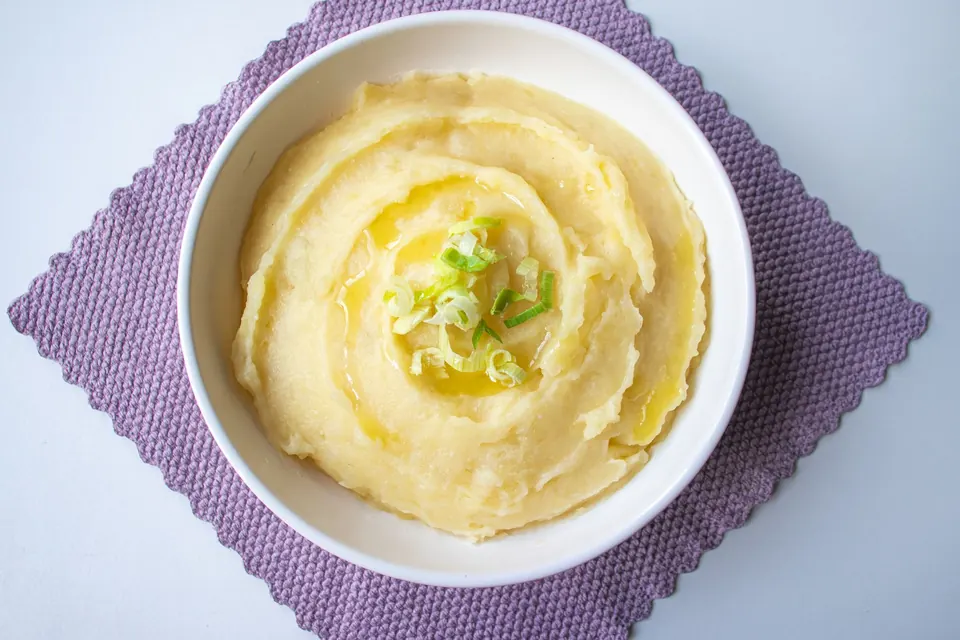
4. Mashed potatoes
Mash is where small, odd shaped or slightly bruised potatoes go to have a second life. Cut them into large chunks so they cook evenly, boil in salted water until a knife slides in easily, then drain very well. Water left in the pot is what makes mash gluey. Add butter or a little warm milk and mash by hand.
Mash is also the starting point for a lot of other dishes on this list, including katlesi, potato cakes and the coating for viazi karai fillings. Make extra and keep it in the fridge for two or three days.
5. Hash browns and rosti
Grate raw potato on the large holes of a grater, then squeeze out as much water as you can with a clean cloth. This step is the whole secret. Season with salt and pepper, press flat into a hot pan with oil, and fry until golden on both sides. Small patties are hash browns; one big pan-sized cake is a Swiss rosti. The hash browns page has more on how different countries make them.
Grated potato also works in potato pancakes with egg and a spoon of flour, and it is a good way to use potatoes that are too small to peel and cut neatly.
6. Homemade crisps
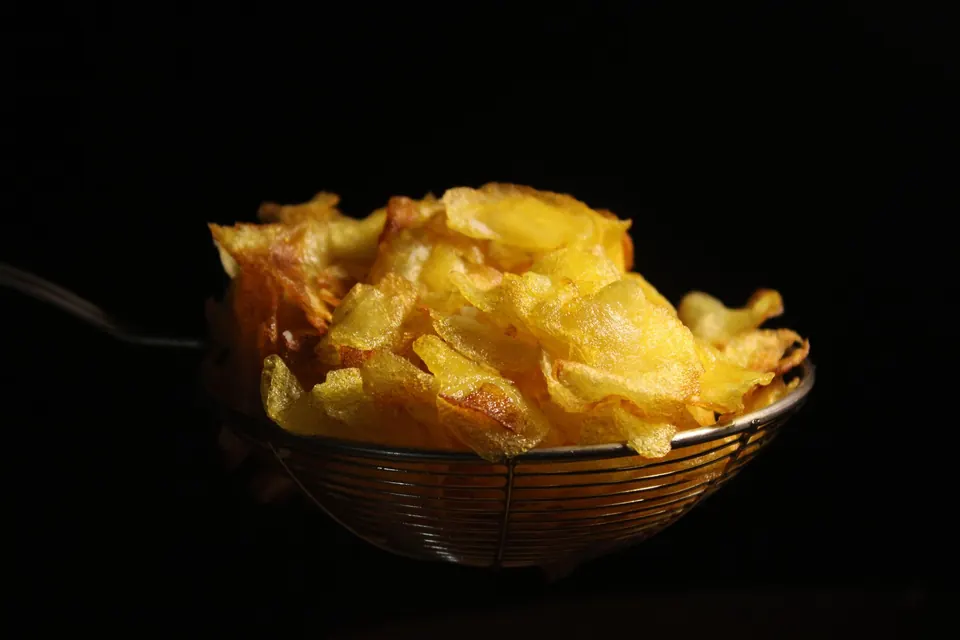
Crisps (what Americans call potato chips) need slices 1 to 2 mm thin. A sharp knife works if you are patient, but a cheap mandoline slicer makes them even, and evenness is everything here. Soak the slices in water for 30 minutes, dry them completely, then fry in small batches until they stop bubbling and turn light gold. Salt them while still hot.
Crisps burn fast and turn bitter if the potatoes are high in sugar, for example ones kept in a fridge. If yours brown too quickly, our guide on why fries come out too dark explains the causes. Store cooled crisps in an airtight jar. Do not freeze them.
7. Viazi karai
Walk through Forodhani in Zanzibar or any busy street corner in Dar in the evening and you will find viazi karai: boiled potatoes dipped in a yellow gram flour batter with turmeric, garlic and chilli, then deep fried. They are close cousins of the Indian bhaji, which makes sense given the long history of Indian cooking on the coast.
Boil whole medium potatoes (or halves) until just tender, cool them, then dip in a thick batter and fry at about 175°C until crisp. Serve with tamarind or coconut chutney and a squeeze of lime. They are cheap to make and sell well, which is why you see them on so many street stalls.
8. Katlesi (potato cutlets)
Katlesi are balls of spiced mince wrapped in mash, dipped in egg, and fried. Some people roll them in breadcrumbs too. Mix cold mash with a little salt, wrap it around a spoon of cooked mince (or boiled egg, or just spiced peas for a vegetarian version), seal well, dip in beaten egg and fry until golden. They freeze well before frying, so you can make a big batch on a Sunday.
9. Viazi vya nazi (potatoes in coconut)
Cubes of potato simmered in coconut milk with onion, tomato, turmeric and a little green chilli. This is a coastal home dish that turns a few potatoes into a full meal with rice or chapati. Use waxier potatoes here if you have them, because they hold their shape in the sauce. Fluffy chip potatoes will break down and thicken it, which some people like better anyway.
10. Mchemsho and soups
Mchemsho is a one-pot boil of meat or fish with whole potatoes, carrots, green bananas and vegetables. Big potato chunks go straight in. Potatoes also thicken soups: boil cubes with onion and stock, then blend or mash part of it. This is the right place for slightly old potatoes that are still firm but no longer good enough for frying.
11. Baked and stuffed potatoes
Bake whole potatoes in the oven at about 200°C for an hour, or boil them first to save gas, then finish in the oven or on a charcoal grill wrapped in foil. Split them open and fill with butter and cheese, beans, leftover stew or kachumbari. One big potato with a good filling is a cheap, filling lunch.
12. Loaded fries and chips dishes
Once you have fries, you have a whole set of Tanzanian meals: chipsi mayai, chips kuku, chips mishkaki and more. See Tanzanian dishes made with fries and loaded fries recipes for ideas that turn a plate of chips into dinner.
How do you prepare and freeze potatoes at home?
This is the answer to Mama Neema's problem. You can turn part of a sack into ready-to-cook fries, wedges or cubes and keep them in the freezer. Raw potatoes do not freeze well on their own; they go grey and watery. Blanching first fixes that. The home method is simple:
- Cut the potatoes into fries, wedges or cubes, keeping the pieces the same size.
- Rinse in cold water to wash off surface starch.
- Blanch in boiling water with a spoon of salt and a splash of vinegar for 3 to 5 minutes, until just soft on the outside but still firm in the middle. The vinegar helps the pieces keep their shape.
- Dry them completely on clean towels. Any water left on them turns into ice and makes them soggy later.
- Freeze spread out on a tray for a few hours so they do not stick together.
- Pack into freezer bags, squeeze out the air, label with the date and use within about three months.
The full step-by-step guide is in how to make frozen fries at home. The USDA's guidance on freezing and food safety explains why food kept at a steady -18°C stays safe, though quality slowly drops over time. Cook the frozen pieces straight from the freezer without thawing. Our guide on how to store frozen fries covers power cuts and freezer burn.
How should you store a sack of raw potatoes?
Keep the sack somewhere cool, dark and airy, off the floor, and away from onions (they make each other spoil faster). Check it every few days and remove any soft or rotting potatoes before they spread the rot. Do not keep raw potatoes in the fridge. Cold turns some of the starch into sugar, and the UK Food Standards Agency's advice on acrylamide says this extra sugar can raise acrylamide levels when the potatoes are fried, baked or roasted. It also makes your chips brown too fast.
Cut away green patches and sprouts before cooking. If a potato is green right through, throw it out. Use the oldest potatoes first, and save the best, firmest ones for chips, where quality shows the most.
Which ways of cooking potatoes are healthiest?
Boiled, baked and steamed potatoes with the skin on hold on to the most fibre and add no extra fat. Frying adds oil and calories. The Harvard T.H. Chan School of Public Health points out that how potatoes are prepared changes their effect on health more than the potato itself. That does not mean chips are banned. It means mixing it up across the week: fries one night, stew or baked potatoes the next. Our post on calories in french fries has the numbers if you are counting.
Can you make money from potatoes beyond chips?
Yes, and plenty of small sellers already do. A few ideas that need little equipment:
- Viazi karai and katlesi sold in the evening near a busy road or bus stop.
- Peeled, cut potatoes sold by the kilo to busy households, small hotels or school kitchens who do not have time to peel.
- Homemade crisps packed in small sealed bags for shops and schools. Check the TBS rules before you sell packaged food.
- Wedges and fries as a side at events, where they stay popular all night.
If chips are your main business, see how to start a chips business in Tanzania and work out your numbers with chips cost per plate. Many stalls buy frozen fries for the chips and use fresh potatoes for everything else, which saves hours of peeling every morning.
Supa Fries come in 2 kg packs, ready to fry from frozen. Use your fresh potatoes for viazi karai and katlesi, and let us handle the chips.
Ask for wholesale pricesMama Neema did not finish her sack with chips alone. She froze a big batch of wedges and cubes, made katlesi for a family visit, and boiled the small potatoes for mash. Three weeks later the sack was empty and nothing had sprouted.
In short
A sack of potatoes can become far more than chips. The most useful cuts are fries (1 cm sticks), wedges (skin on, oven or air fryer) and cubes (2 cm, for stews, roasting and breakfast). Small or odd potatoes are best for mash, grated hash browns, soups and katlesi, while Tanzanian favourites like viazi karai and viazi vya nazi turn a few potatoes into a full meal. To make a sack last, blanch fries, wedges or cubes in salted water with a splash of vinegar, dry them, freeze on a tray and pack them. Store raw potatoes cool, dark and airy, never in the fridge.
Frequently asked questions
What are the different ways to cut potatoes?
The main cuts are sticks for fries, long wedges with the skin on, cubes for stews and roasting, thin slices for crisps, large chunks for boiling and mash, and grated potato for hash browns and rosti.
What is the difference between fries and wedges?
Fries are thin, peeled sticks about 1 cm thick that are usually deep fried. Wedges are thick, skin-on pieces cut lengthways and usually baked or air fried, so they are softer inside and chewier outside.
Can you freeze raw cut potatoes?
Not well on their own, because they turn grey and watery. Blanch them first for 3 to 5 minutes in salted water with a little vinegar, dry them completely, freeze on a tray, then pack into bags.
How long do frozen homemade fries last?
About three months at -18°C for the best quality. They stay safe longer if they stay frozen, but they slowly lose taste and texture.
Which potatoes are best for mash?
Starchy, floury potatoes make the fluffiest mash. They are also the best potatoes for chips, so many cooks use the big ones for chips and the small ones for mash.
What is viazi karai?
A Tanzanian street snack of boiled potatoes dipped in a spiced gram flour batter with turmeric and garlic, then deep fried. It is usually served with tamarind or coconut chutney.
Put better chips on your menu
Found this useful? Share it.