
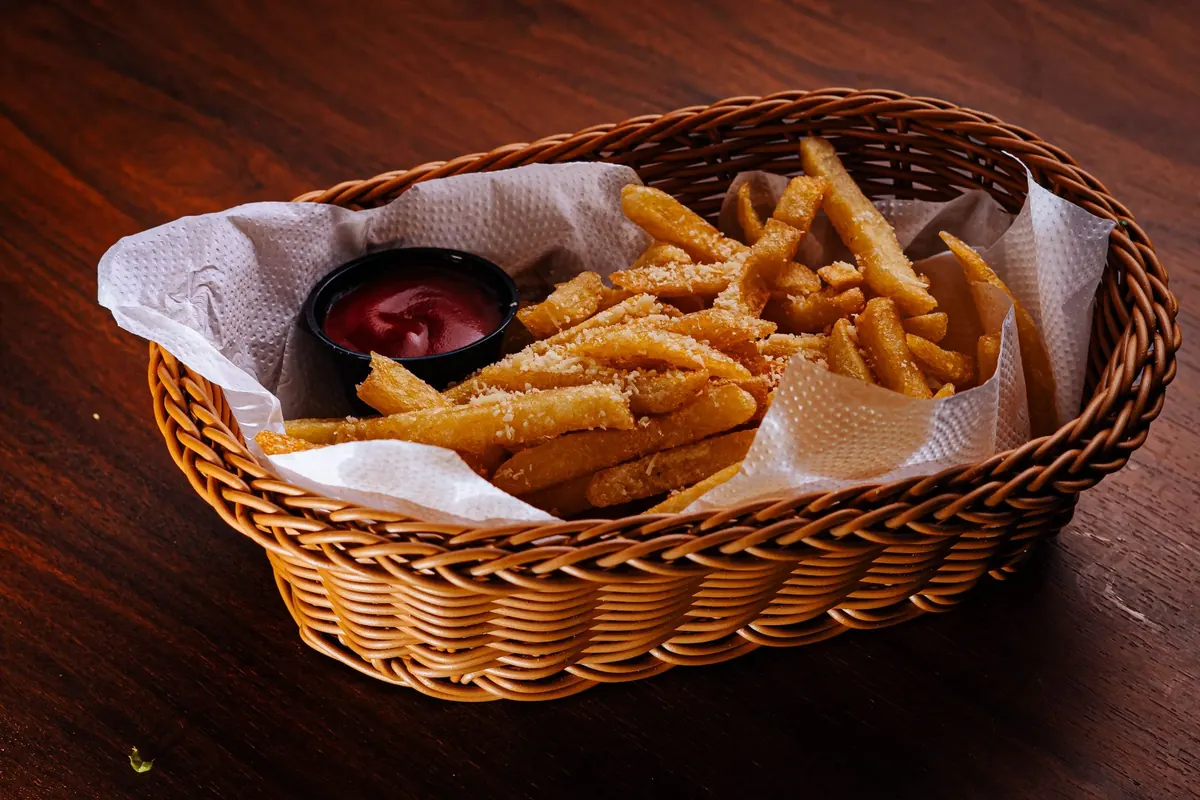
You may have seen a headline that made you nervous: a chemical in fried potatoes linked to cancer. Then you looked at the plate of chips in front of you and wondered whether you should eat it. Before you worry, it helps to know what this chemical is, where it comes from, and the one simple habit that lowers it.
This is not a reason to stop eating chips. It is a reason to cook them well. Here are the facts and six easy habits.
What is acrylamide and how does it form?
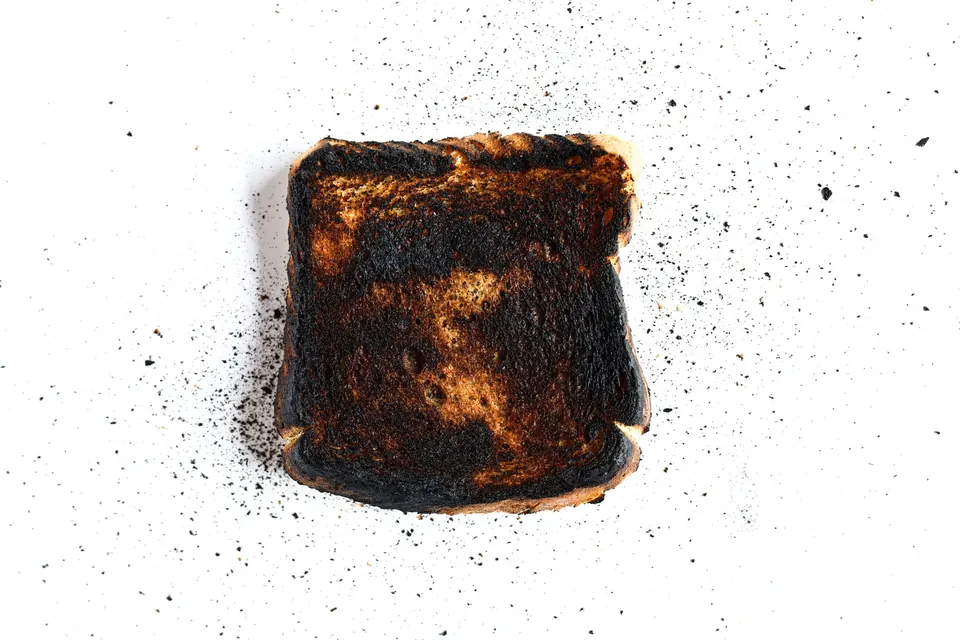
Acrylamide forms from a reaction between natural sugars and an amino acid called asparagine during high-heat cooking. It is part of the same browning process (the Maillard reaction) that gives fries, toast and coffee their colour and flavour. The darker the food, the more acrylamide it usually contains. It does not form in boiling, which stays at 100°C.
Is acrylamide dangerous?
The European Food Safety Authority concluded that acrylamide in food potentially increases cancer risk for consumers of all ages, based on animal studies. The International Agency for Research on Cancer classes it as "probably carcinogenic to humans". Agencies such as the US FDA recommend a varied diet and sensible cooking habits to reduce intake, not avoiding potatoes.
How can you reduce acrylamide in fries?
- Go for golden. Stop cooking when fries are golden yellow. Do not cook them to dark brown or crispy-burnt. The UK Food Standards Agency calls this "Go for Gold".
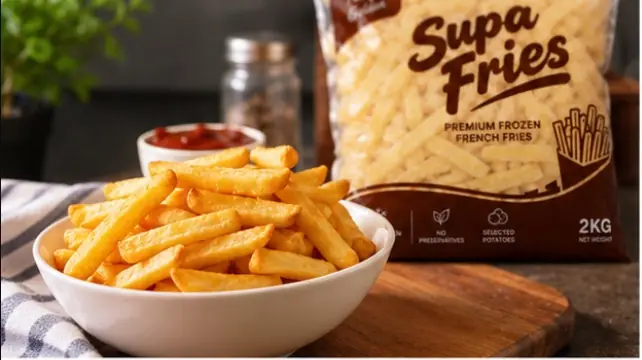
- Follow the pack instructions. For Supa Fries: deep fryer 175°C for about 3 minutes, air fryer 200°C for 12 to 15 minutes, oven 220°C for 18 to 22 minutes.
- Do not fry hotter than 175°C. Hotter oil browns fries faster. Keep the deep fryer at 175°C.
- Remove dark or burnt pieces before serving.
- Change oil when it darkens. Old oil browns food faster. See how often to change frying oil.
- For fresh-cut chips, soak or blanch first. Soaking cut potatoes in water for 15 to 30 minutes, or blanching them, removes surface sugars. The same goes if you make your own frozen fries.
Follow the pack: 175°C for about 3 minutes, and stop when the fries are golden yellow.
Order on WhatsAppDo frozen fries have more acrylamide than fresh chips?
Not because they are frozen. Acrylamide depends mainly on the potato's sugar content and how dark you cook it. Good frozen fries come with tested cooking times, so it is easy to stop at golden. Fresh-cut chips from high-sugar or cold-stored potatoes can brown faster. Read frozen vs fresh chips.
What colour should fries be when cooked?
| Colour | Meaning |
|---|---|
| Pale, white | Undercooked. Cook a little longer |
| Golden yellow | Just right: crisp and lower in acrylamide |
| Dark brown | Overcooked: more acrylamide, bitter taste |
| Black edges | Burnt: remove before serving |
For crisp fries without over-browning, follow our crispy chips tips and cooking guide.
Which foods contain acrylamide?
Chips are only one source. Acrylamide forms in many starchy foods cooked at high heat:
| Food | Why |
|---|---|
| Fried and roasted potatoes, crisps | High starch, high heat |
| Toast, especially dark toast | Browning of bread |
| Coffee | Roasting the beans |
| Biscuits, crackers, cereals | Baking and toasting |
| Roasted cassava and plantain | Starchy foods cooked dark |
This is why food agencies focus on habits across the whole diet, not on banning one food.
What simple habits lower acrylamide at home?
- Toast bread to light golden, not dark brown.
- Cook chips, roast potatoes and cassava to golden.
- Follow pack cooking times, and check a few minutes early.
- Eat a varied diet with plenty of fruit, vegetables, beans and whole grains.
- Boil or steam potatoes some of the time; boiling does not form acrylamide.
What should restaurants and chips spots do?
- Keep fryers at 175°C and check thermostats regularly.
- Use a colour guide: a printed photo of "golden, not brown" by the fryer.
- Train staff to time each basket rather than cook by eye.
- Change oil before it darkens, because dark oil browns food faster.
- Remove dark and burnt pieces before serving.
- Choose good potatoes or quality fries with consistent cooking times.
In some regions, food businesses are legally required to follow acrylamide reduction practices. These habits also make better-tasting chips. See how often to change frying oil and choosing a commercial deep fryer.
How worried should you be?
Acrylamide is one of many things in a normal diet that food scientists study. Health agencies recommend sensible steps to reduce it, but they do not tell people to stop eating potatoes or bread. The most useful actions are the simple ones: golden not brown, a varied diet, and fried food in moderation. Those same habits support overall health. Read are frozen fries healthy? and chips vs rice vs ugali for a balanced view.
Do air fryers and ovens make less acrylamide?
Not automatically. Air fryers and ovens use dry heat, which can brown thin fries quickly, especially at the end of cooking. Any method can produce golden or dark fries. The best approach for all three methods is the same: follow the time and temperature, check early, shake or turn so fries cook evenly, and stop at golden. More in air fryer vs deep fryer.
Where can you read more?
The European Food Safety Authority, the US FDA and the UK Food Standards Agency all publish plain-language guidance on acrylamide in food, with practical tips for homes and businesses.
Does how you store raw potatoes matter?
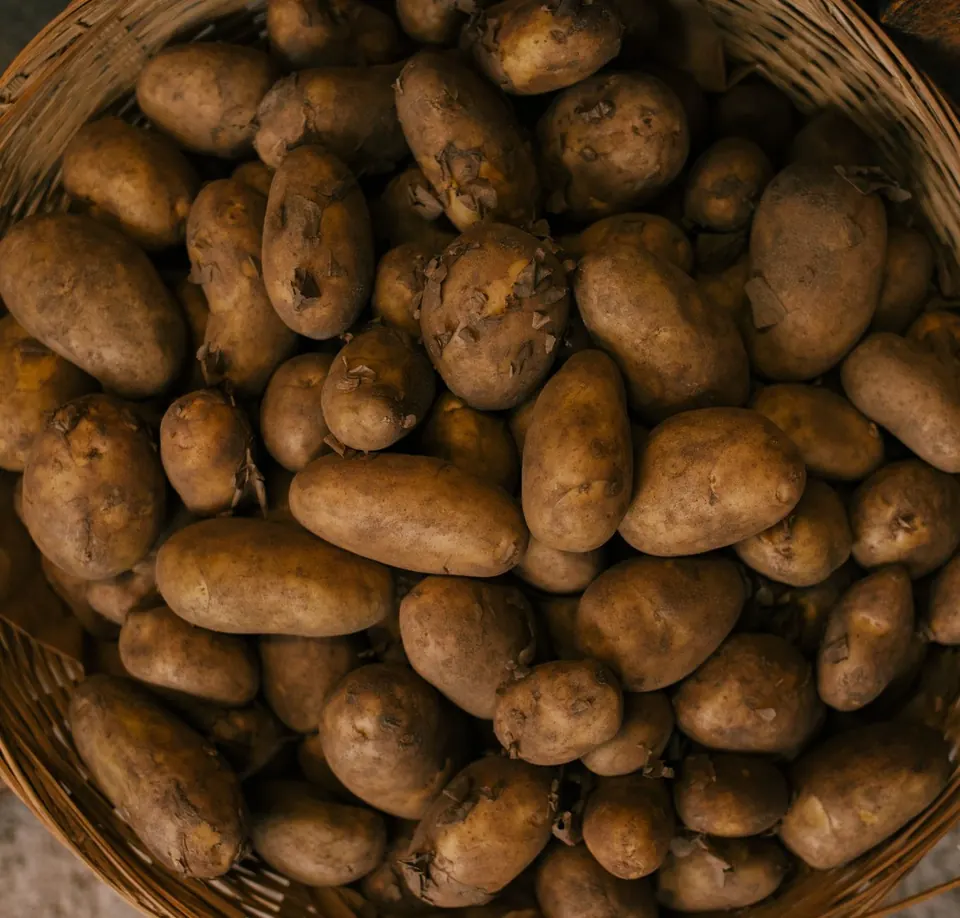
It can. When raw potatoes are stored very cold, some starch turns into sugar, and more sugar means more browning and more acrylamide when they are fried. Many food agencies advise storing raw potatoes in a cool, dark, dry place rather than in very cold conditions, though advice has been updated over time as new research came in. Old, sprouting or sweet-tasting potatoes also tend to brown faster. If you make fresh-cut chips, choose firm, fresh potatoes and soak the cut chips before frying. If you use frozen fries, simply follow the pack instructions. Read how to choose good potatoes.
Should children eat fries?
Children can enjoy fries as part of a varied diet. Because children are smaller, food agencies pay particular attention to their total acrylamide intake, so the same simple habits matter even more: cook to golden yellow, keep portions child-sized (about 80 to 120 g), and offer plenty of other foods through the week, such as fruit, vegetables, beans, eggs, rice and ugali. Our family meal plan shows a balanced week.
How can you check colour in a busy kitchen?
Put a simple colour card next to the fryer: a photo of perfectly golden fries, one of pale undercooked fries and one of overcooked brown fries. Staff compare each basket against the card. Combined with a timer and a thermostat set to 175°C, this keeps every batch in the golden zone. It is a cheap habit that improves taste and consistency at the same time.
The good news is that you do not need to give up chips. Cook them to golden, follow the pack instructions, keep your oil fresh and enjoy them as part of a varied diet. Those simple habits give you better-tasting fries and lower acrylamide at the same time.
In short
Acrylamide is a chemical that forms naturally in starchy foods like potatoes when they are fried, baked or roasted at high temperatures (above about 120°C), especially when they turn dark brown. Food safety agencies advise reducing it because high doses caused cancer in animal studies. The simplest way to lower it in fries is to cook them to a golden yellow colour, not brown, and to follow the pack's time and temperature.
- Acrylamide forms in starchy foods cooked above about 120°C, especially when they turn dark.
- Food agencies recommend reducing it, not avoiding potatoes or bread.
- The simplest rule: go for golden, not brown.
- Fry at 175°C, follow pack times, change dark oil, remove burnt pieces.
- Eat a varied diet, with fried foods in moderation.
Frequently asked questions
What is acrylamide?
A chemical that forms naturally when starchy foods like potatoes, bread and coffee are cooked at high temperatures, especially when they turn dark brown.
Do air fryer fries have acrylamide?
Yes, any high-heat cooking can form acrylamide. Cook air fryer fries to golden rather than dark brown to keep levels lower.
Should I stop eating fries because of acrylamide?
Food safety agencies do not advise avoiding potatoes. They recommend a varied diet and cooking starchy foods to golden yellow rather than brown.
Does boiling potatoes create acrylamide?
No. Acrylamide forms above about 120°C, so boiled potatoes do not contain it.
Does coffee contain acrylamide?
Yes. Acrylamide forms when coffee beans are roasted. Health agencies do not advise avoiding coffee, but recommend a varied diet.
Is toast high in acrylamide?
Dark toast contains more than light toast. Toasting to light golden reduces it.
Do restaurants need to reduce acrylamide?
In some countries, food businesses must follow acrylamide reduction practices. Everywhere, cooking to golden and changing oil regularly are good habits.
Should I store potatoes in the fridge?
Many agencies advise a cool, dark, dry place instead of very cold storage, because cold can raise sugar levels and increase browning when fried.
How do restaurants keep fries golden, not brown?
They use a thermostat at 175°C, a timer for each basket and a simple colour card by the fryer for staff to compare against.
Get Supa Fries delivered
Found this useful? Share it.